


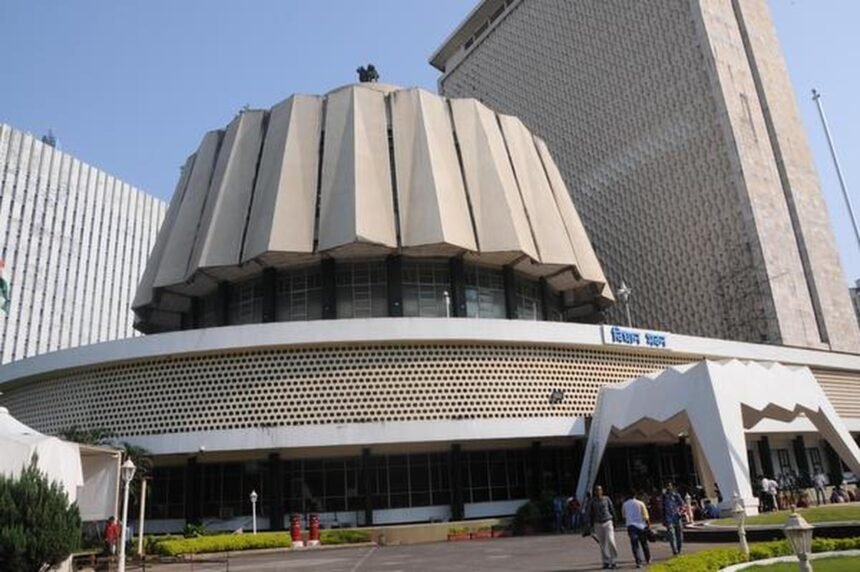
In a significant legislative move, the Maharashtra Legislative Council on Wednesday passed key amendments to the Bharatiya Nagarik Suraksha Sanhita (BNSS), the central framework governing criminal procedure in India. The proposed changes, which notably include extending the duration of preventive police custody from 24 hours to a maximum of 30 days, have sparked intense debate over civil liberties and the limits of state legislative power.
The bill, introduced by Minister of State for Home Yogesh Kadam, aims to empower state law enforcement agencies. While the bill has cleared the Council, it still awaits passage in the Legislative Assembly and subsequently requires Presidential assent to become law.
Key Amendments Proposed
Extended Preventive Custody (Section 170): The most contentious provision allows judicial magistrates to remand a person to custody for 15 days at a time, up to a total of 30 days, if the individual’s release is deemed a threat to public order. Previously, the law mandated that individuals arrested for preventive purposes be produced before a court within 24 hours.
Digital Content Regulation (Section 98): The state seeks to broaden the definition of seizable content to include “electronic and digital records.” This would empower authorities to forfeit or block online content, including news websites and social media posts, deemed to endanger national sovereignty or promote communal enmity.
Mandatory Court Appearance for Anticipatory Bail (Section 482): The amendment makes it compulsory for any individual seeking anticipatory bail to remain physically present in court during the final hearing and order.
Police Rank Reorganization (Section 15): The state proposes allowing officers of the rank of Assistant Commissioner of Police (ACP) or Sub-Divisional Police Officer to act as Special Executive Magistrates, a role currently reserved for officers of the Superintendent of Police (SP) rank.
The Constitutional Conflict: Can States Amend Central Laws?
The amendments have prompted questions regarding the federal balance of power. Under the Indian Constitution, “Criminal Law” falls under the Concurrent List, allowing both Parliament and State Legislatures to enact laws.
However, under Article 254, if a state law conflicts with a central law, the central legislation generally prevails. For the state’s amendments to be valid, they must not conflict with the central code or, if they do, must receive Presidential assent to override the federal provision. Legal experts note that since the BNSS is a relatively new exhaustive code, state-level deviations face a high threshold of judicial scrutiny, with courts potentially striking them down if they are found to be “repugnant” to the central framework.
Political Reaction and Opposition
The passage of the bill in the Council was marked by an Opposition walkout. Leaders from the Congress and the Shiv Sena (UBT) vehemently opposed the move, labeling it a potential tool for political suppression.
“The extension of preventive custody to 30 days is a draconian measure that could be misused against political opponents, journalists, and activists, especially during election cycles,” said a senior Opposition MLC.
Even within the ruling benches, some members expressed reservations. BJP leader Pravin Darekar urged caution regarding the anticipatory bail provision, emphasizing that it should not become a tool for harassing innocent citizens. Minister Yogesh Kadam defended the move, asserting that these measures are essential to maintain public order and strengthen the capacity of law enforcement agencies to tackle evolving criminal threats.
As the bill moves toward the Assembly, civil society groups and legal bodies are expected to closely monitor whether these amendments will withstand constitutional tests or if they will face a legal challenge in the High Court.