


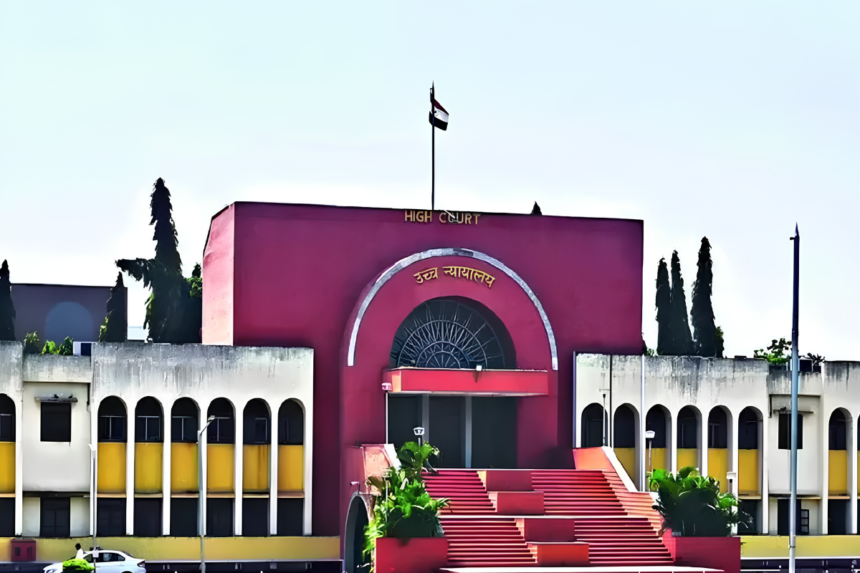
The Aurangabad bench of the Bombay High Court has dismissed two petitions and permitted two other pleas to be withdrawn after a thorough examination of the original answer sheets. The case involved four re-NEET (UG) 2026 candidates who had approached the judiciary alleging major discrepancies in the examination results declared by the National Testing Agency (NTA).
The legal proceedings were heard by a division bench comprising Justices Nitin Suryawanshi and Abasaheb Shinde. Finding the challenges lacking merit upon reviewing the physical records, the court dismissed two of the petitions and allowed the withdrawal of the remaining two. Furthermore, the bench imposed costs amounting to Rs 5,000 on each of the four individual petitioners.
The petitions were filed by a group of aspiring medical students, namely Hricha Deshpande from Chhatrapati Sambhajinagar, Soham Gavte from the Beed district, Atharva Jagtap from the Dhule district, and Rahul Nag. These candidates collectively alleged that the scores published by the NTA completely failed to match their actual examination performance, prompting them to move the court seeking the formal verification and production of their original answer sheets.
Throughout the course of the hearings, the legal counsel representing the petitioners brought forward distinct grievances detailing massive gaps between the marks anticipated by the students and the final scores reflected on their official scorecards
Deshpande contended that the physical OMR sheet hosted on the official NTA portal differed significantly from the copy she had received via email before the formal declaration of the exam results.
Gavte argued that calculations based on his original OMR sheet and the authenticated official answer key entitled him to a score of 522 marks, whereas his official scorecard severely reflected only 95 marks. Jagtap stated that he was rightfully owed 597 marks based on his performance evaluations, but was shockingly awarded a mere 45 marks by the testing authority. The students had aggressively sought judicial intervention to mandate the production and direct verification of their original answer sheets before the bench. However, after inspecting the authentic documents submitted by the testing agency, the bench delivered its ruling, dismissing the claims and penalising the petitioners for filing the unmeritorious pleas.