
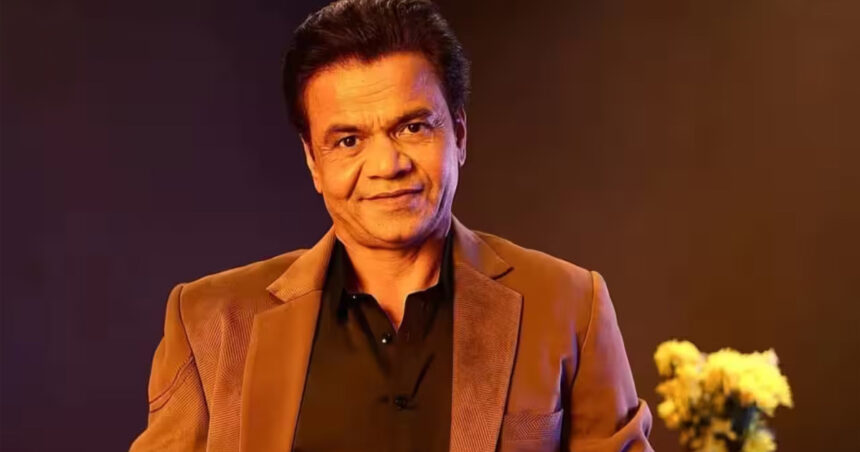
The Supreme Court has allowed actor and comedian Rajpal Yadav more time, until 13 October 2026, to deposit ₹2 crore. This deposit is a precondition for the Court to hear his appeal against a conviction and three-month sentence in a cheque-dishonour case.
The dispute began with a loan of about ₹5 crore taken in 2010 to produce the film Aata Pata Laapata. The film was not released successfully, and the debt swelled because of interest and litigation, eventually producing a string of cheque-bounce proceedings.
The Bench of CJI Surya Kant and Justices Joymalya Bagchi and V. Mohana had earlier made the ₹2 crore deposit a condition for considering the appeal. His counsel told the Court that around ₹1.15 crore was already arranged as a demand draft and that the remaining ₹85 lakh would come from a proposed property sale. The Court granted the extension, shielded him for now from having to surrender, and listed the matter again for 15 October.
The case is a lesson in the gap between challenging a conviction and getting its effects suspended. A conviction stays operative until a competent court stays or alters it, and an appellate court may set conditions, especially where money is involved. The interim relief does not mean acquittal, and the debt remains.
Cheque dishonour is governed by Section 138 of the Negotiable Instruments Act, 1881. The case also shows how a civil loan can lead to criminal liability, and how courts try to balance the accused’s right to appeal against the complainant’s interest in recovering money.