


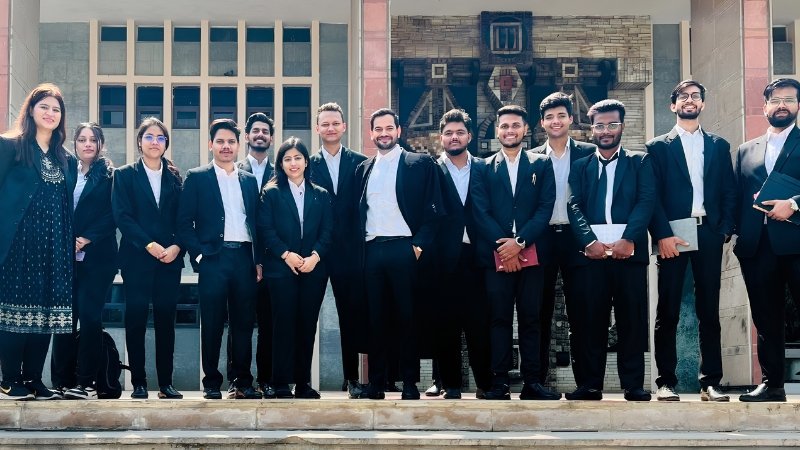
Addressing the systemic financial precarity plaguing young legal professionals, the Supreme Court of India has directed the establishment of a centralized ‘Young Lawyers’ Professional Assistance Fund’ to provide a steady financial safety net during their formative years of practice. The bench, presided over by Chief Justice of India Surya Kant and Justice V. Mohana, issued formal notices to the Union Government, all State Governments, Union Territories, and the Bar Council of India, acting upon a comprehensive petition highlighting high dropout rates among first-generation and socially disadvantaged lawyers.
The Apex Court envisioned a structured monthly stipend-cum-honorarium model, proposing that the baseline financial assistance should be robust enough to cover essential livelihood, housing, and transportation costs during the initial three years of practice, before systematically tapering off over a total seven-year cycle. To preserve administrative neutrality and prevent local political interference, the Supreme Court suggested placing the corpus under the executive control of jurisdictional High Courts or an autonomous federal body setup in active consultation with state machineries.
To build the corpus, the Supreme Court recommended multiple innovative funding pipelines rather than relying solely on state exchequers. The court suggested drawing regular contributions from senior advocates, redirecting a fixed percentage of everyday court fees collected from high-value commercial lawsuits, and siphoning monetary costs imposed on chronic litigants who file frivolous petitions. To boost voluntary compliance, the court asked the Centre to design structural incentives, including institutional Income Tax exemptions, national professional honors, and exclusive advisory awards for top-tier legal donors.